A machine trial is only useful if everyone knows which film and product are being tested. Before sending samples or comparing finished packs, write down the material reference, pack format and questions the trial should answer.
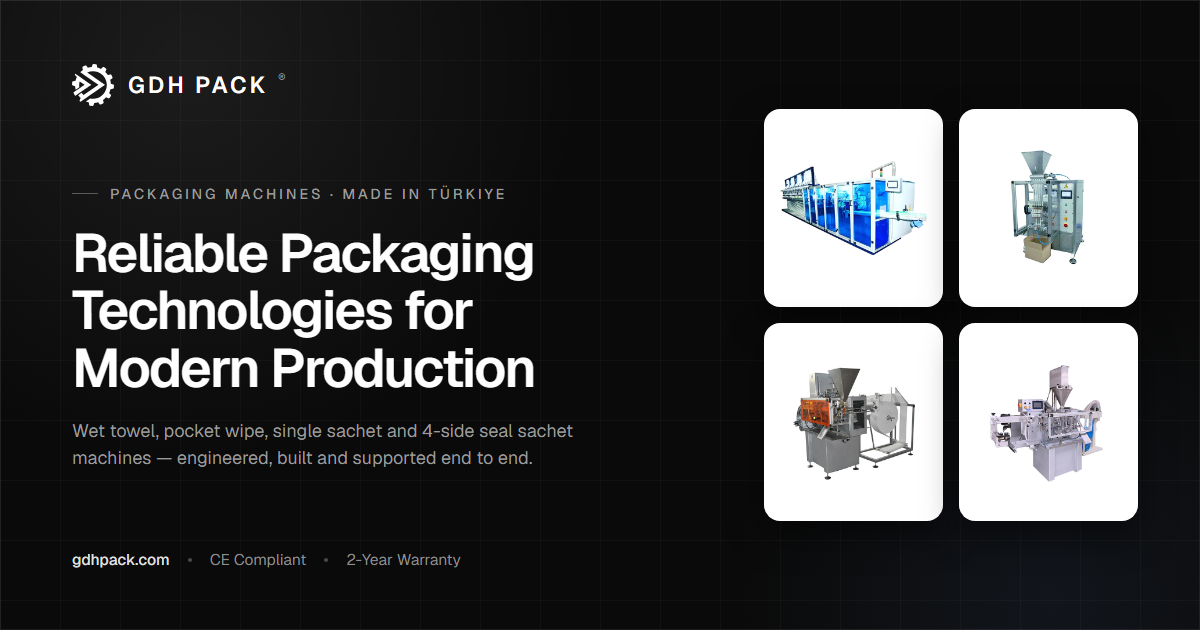
GDHPACK presents a single-use wet wipe packaging machine and a wet towel packaging machine on its public site. If you are discussing either machine, the film specification should be part of the trial brief, not an afterthought.
Record the film you plan to test
Ask your film supplier for the material structure, thickness, roll details and any available sealing guidance. Keep the supplier's document revision with your project notes. If you plan to compare more than one material, label each option clearly and keep its samples separate.
ASTM F2029 explains that laboratory heat-sealing results can help assess flexible barrier materials, while also noting that material construction and thickness affect sealing behaviour. A result from one film should not be treated as proof that another film will behave the same way.
Make the trial brief specific
Before a GDHPACK wet wipe packaging machine trial, agree which product and pack format the sample represents. Record the film reference and the relevant product details, including the wipe or towel format. Ask the supplier what operating conditions will be recorded and how the finished samples will be identified.
If your project covers both a wet wipe packaging machine and a wet towel packaging machine, keep the trial records distinct. A sample from one application does not automatically answer questions about another product or packaging material.
Compare like with like
When reviewing samples from different runs, check that the film reference and pack format match the records. Ask whether the samples came from the same trial conditions, and note any changes before drawing conclusions. Keep untested films marked as unconfirmed.
Laboratory heat-seal data and a machine trial answer related but different questions. ASTM F2029 describes laboratory sealing as a way to examine material sealing characteristics; production equipment and conditions may differ. Discuss with the film supplier and GDHPACK how laboratory information should inform, but not replace, an application-specific machine assessment.
Agree what the result needs to show
Before the trial begins, write down what your team will inspect and how it will decide whether a sample meets the project's requirements. If you need a formal test, ask your quality team or a qualified laboratory to select a suitable method and acceptance criteria for the finished pack. Avoid assuming that a single visual check or a supplier sample settles every quality question.
Keep the trial record with the film details, product format, sample labels and any test results. If something remains untested, leave it listed as an open question for the next discussion.
For a GDHPACK wet wipe packaging machine or wet towel packaging machine project, bring the film supplier's specification and your proposed pack format to the trial-planning conversation. Ask which parts can be assessed during the machine trial and which require separate laboratory work. That gives your team a clearer basis for comparing the samples with its own requirements.